Retail Inflation Inches Up To 4.38 per cent In June

The June inflation marks the highest print in six months and takes the headline inflation higher than the central bank’s 4 percent target, as the government has mandated the Reserve Bank of India (RBI) to ensure that the headline inflation remains at 4 per cent, with a margin of 2 per cent on either side
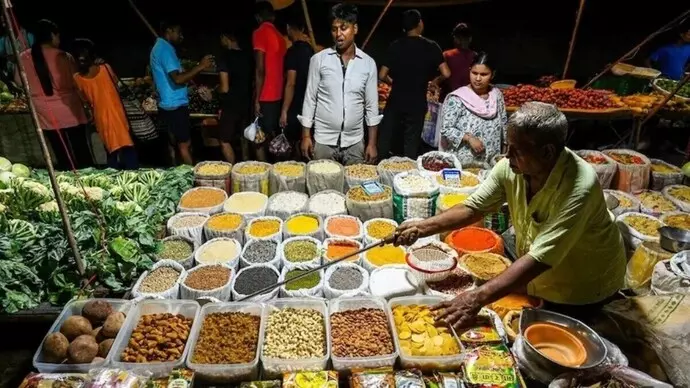
New Delhi: India’s headline retail inflation inched up to 4.38 per cent in June compared to 3.93 per cent in May, mainly due to higher prices of food items. The US-Iran war and a weak monsoon, however, raised food and fuel prices, causing the spike in consumer inflation in the country, according to the government data released on Monday.
The June inflation marks the highest print in six months and takes the headline inflation higher than the central bank’s 4 percent target, as the government has mandated the Reserve Bank of India (RBI) to ensure that the headline inflation remains at 4 per cent, with a margin of 2 per cent on either side.
As per the data, food inflation emerged as the biggest driver, rising to 5.32 percent in June from 4.78 percent in May. “Food prices account for nearly half of the consumer price index, making them the single largest contributor to the increase in inflation. Besides, prices also remained elevated for operation of personal transport equipment (7.35 percent) and transport services for goods (7.70 percent), reflecting higher logistics and fuel-related costs,” the data showed.
Among individual items, the data also showed that ginger recorded the sharpest increase in prices, with inflation at 50.41 per cent year-on-year. “Tomatoes also remained expensive, with prices up 31.92 per cent, while raisins registered 20.52 per cent inflation. Other personal effects, which includes jewellery, continued to register the sharpest increase with inflation at 50.17 percent, although it moderated from 56.35 percent in May,” it said.
The data further said that rural inflation rose faster than urban inflation. “Rural headline inflation increased to 4.74 percent in June from 4.25 percent in May, while urban inflation accelerated to 3.92 percent from 3.53 percent, indicating that food price pressures were more pronounced in rural areas,” it said.
Economists and analysts, however, believe that the uptick was primarily driven by higher food and fuel prices, reflecting the recent increase in global crude oil prices.
“The CPI inflation in June 2026, the first full month after the hikes in petrol and diesel prices, accelerated to 4.4 per cent, slightly higher than our forecast of 4.3 per cent, led by the food and beverages, transport, and restaurants divisions,” said Aditi Nayar, Icra.
“Price pressures also remained visible in services such as restaurants and accommodation during the month. Looking ahead, food inflation remains vulnerable to weather-related risks, including the possibility of El Niño affecting agricultural output,” said Sujan Hajra, chief economist & executive director, Anand Rathi Group.
