Indian Economy Resilient Amid Global Headwinds Says RBI Bulletin

The RBI said India’s economy remains resilient amid global risks, supported by strong domestic demand, manufacturing and services activity, while FPI inflows and FDI improved.
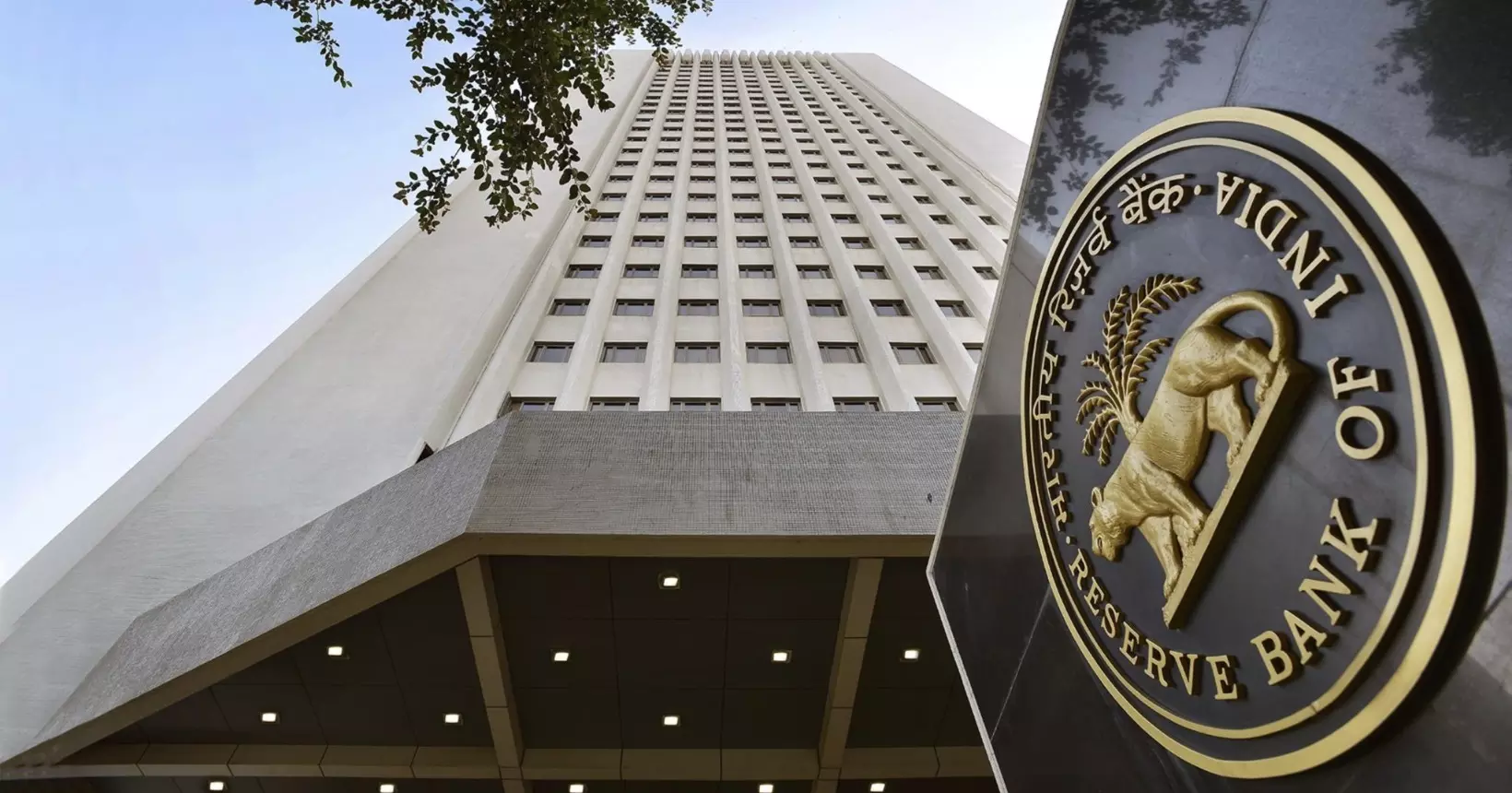
Amidst global headwinds, the domestic economy demonstrated notable
resilience, characterised by buoyant domestic demand, and rising
manufacturing and services activity.
“The global economic outlook continues to be shaped by geopolitical
frictions in West Asia and fresh tariffs by the US. Despite these
risks to global trade and the growth-inflation matrix, India’s robust
macroeconomic fundamentals continue to provide cushion to the domestic
economy,” said the RBI economists in an article “State of the Economy”
published in the August Bulletin.
The RBI article said that the momentum of Q1:2026-27 continued in July
with most of the high-frequency indicators reflecting sustained
manufacturing and services activity, and double digit expansion in
merchandise exports and imports. The recovery in southwest monsoon in
July helped in kharif sowing reaching closer to normal acreage.
While headline CPI inflation rose fractionally, reflecting food
inflation; core inflation remained stable. Liquidity conditions eased,
supporting credit growth and ongoing investment activity.
On the US Section 301 tariffs that imposed an additional 10 per cent
tariff on India, the article said India's major export commodities to
the US, such as smartphones, petroleum products and pharmaceuticals,
remain outside its purview.
"India is likely to be less affected than some of the Asian economies
in the US market, such as China, Vietnam and Thailand," it said.
It also said foreign direct investment (FDI) flows improved in June
2026 from the previous month, supported by higher gross inflows.
Singapore, the Netherlands, the US, and Canada accounted for around 74
per cent of the total equity inflows. Manufacturing received the
highest share of equity inflows, followed by electricity generation,
computer, and communication services. The outward FDI continued to
register a downward trend for the last two months. About 65 per cent
of the outward FDI flows were directed to Singapore, the UAE, and the
US.
In July, foreign portfolio investors turned net buyers in equity
segment, reversing four consecutive months of outflows. In August
(till 20th), foreign portfolio investors pumped in US$ 1.9 billion
into the market, largely supported by the equity segment.
Financial conditions are characterised by high credit growth,
comfortable liquidity, and softening G-sec yields supported by rebound
in capital inflows said the report.
