India-EU FTA: Car, Wine, Alcohol Tariffs to Drop

The European Union expects the deal to double EU goods exports to India by 2032 by eliminating or reducing tariffs in value of 96.6 per cent of EU goods exports to India, the deal document by the European Union said
Chennai: India’s labour-intensive sectors like garments, footwear, marine products, gems and jewellery, chemicals and machinery will be the biggest beneficiaries of the India-European Union trade deal. India will cut tariffs on European cars, wines, aircraft, spacecraft, pharmaceuticals, medical and electrical equipment, and iron and steel. The details on contentious issues like government procurement, intellectual property, labour, and environment agreements will be clear when the legal documents are published.
The EU will cut or eliminate tariffs on 98 per cent of Indian goods. Of this, 70.4 per cent tariff lines covering textiles, leather and footwear, tea, coffee, spices, sports goods, toys, gems and jewellery and certain marine products will have immediate duty elimination. Highly competitive textiles, leather and footwear stand to gain from tariff elimination. Another 20 per cent tariff lines like certain marine products, processed food items, arms and ammunition will have zero duty access over 3 and 5 years.
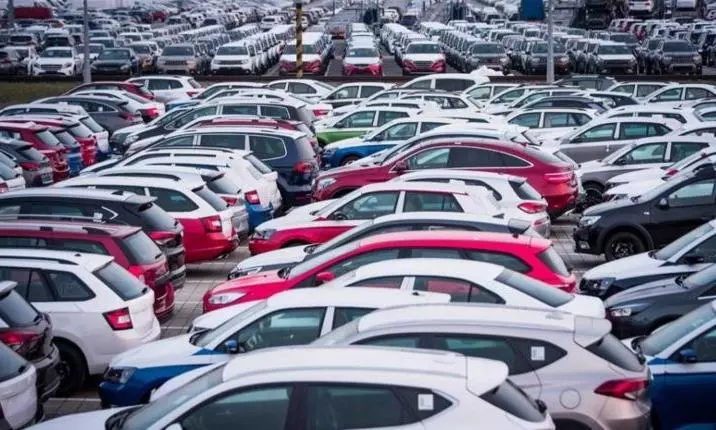
India will cut tariffs on European cars from 110 per cent to 10 per cent and there will be a quota for 2,50,000 units per year. The tariffs on car parts will be fully abolished for car parts after five to ten years. This would significantly lower the price of European luxury cars like BMW, Mercedes-Benz, and Volkswagen.
Indian tariffs on wines will be lowered from 150 per cent to 75 per cent at entry into force and eventually to levels as low as 20 per cent and tariffs on olive oil, margarine, vegetable oils, fruit juices, non-alcoholic beer, and sheep meat will be eliminated, while processed agricultural products such as bread and confectionary will see tariffs of up to 50 per cent eliminated. Tariffs on beer will come down from 110 per cent to 50 per cent, spirits 150 per cent to 40 per cent, kiwis and pears 33 per cent to 10 per cent with quota, and sausages and meat preparations from 110 per cent to 50 per cent.
On the services side, EU companies will be granted privileged access to the Indian services market, including key sectors such as financial services and maritime transport. It has the most ambitious commitments on financial services by India in any trade agreement, going beyond what they have given to other partners.
As for India, broader and deeper commitments have been secured from the EU across 144 services subsectors, including IT/ITeS, professional services, education, and other business services.
However, the press statement did not mention about the remote online service delivery restrictions by the EU, which requires Indian
A comprehensive mobility framework will ease movement of employees of Indian companies in the EU along with their spouses and dependents.
“The India–EU FTA is a commercially significant deal that locks in deep tariff cuts and strengthens access to one of the world’s richest markets, especially for India’s labour-intensive exports such as garments and footwear, while opening India further to European wines, automobiles and industrial goods over time. Strategically, it anchors India–EU economic ties in a more predictable, rules-based framework at a moment of global trade fragmentation,” said GTRI.
However, India and the EU took different positions on government procurement, intellectual property, labour, environment and sustainability. The outcomes of these topics will be clear once the legal texts are released. Environmental regulations like CBAM also have been kept outside the purview of the deal.
