Incentivise Local Officials to Reduce Petrol Use Through Last-Mile Connectivity

People depend on private vehicles because of inadequate public transport and poor last-mile connectivity
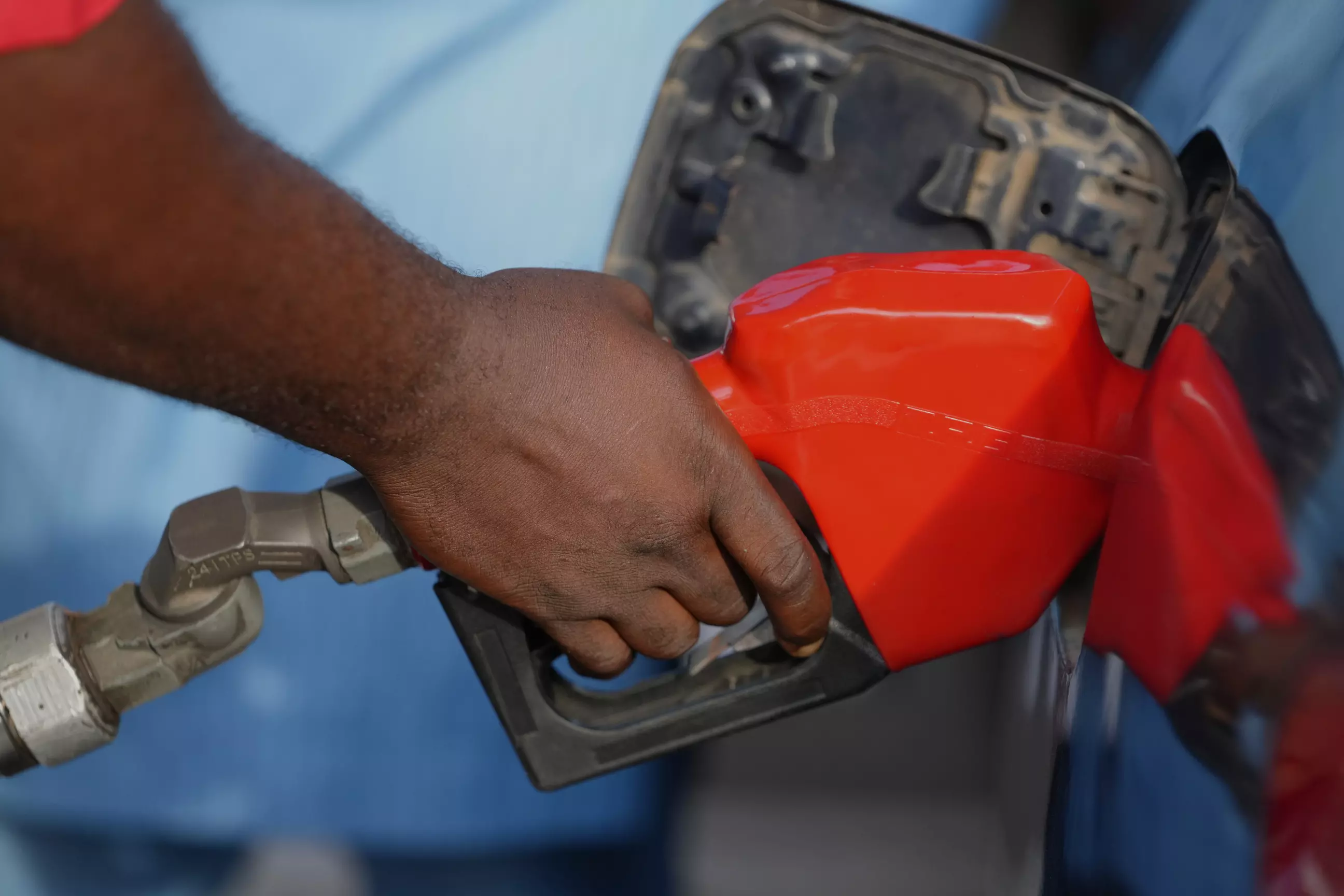
Hyderabad: India’s dependence on imported crude oil is not just a macroeconomic vulnerability — it is also a governance problem at the local level. Almost 99 per cent of petrol imported by India — 42 million metric tonnes — is used by people to run their private vehicles. Of this, 59 per cent is used by bikers, 30 per cent by passenger cars and 10 per cent by utility vehicles.
People depend on private vehicles because of inadequate public transport and poor last-mile connectivity. While the solution is well known: better buses, metro integration, and seamless last-mile links. However, the implementation gap persists because local governments lack both incentive and accountability.
A metro rail will be built without providing last-mile connectivity to residential areas located far from the main road. Urban transport decisions are largely in the hands of municipal bodies, development authorities, and state agencies. No government officer applies one mind to solve this puzzle, as the repercussions of oil imports are borne at the national level.
This disconnect creates a classic policy misalignment. Local leaders face little direct consequence for rising fuel consumption, nor do they gain financially from reducing it. As a result, the last-mile connectivity always remains absent in India. The country needs to realign incentives by linking local action to national savings.
The Central government should, therefore, design a performance-linked incentive framework where a portion of the money saved from reduced oil usage — through better public transport systems and last-mile connectivity — is shared with local governments that successfully lower fuel consumption.
If a city reduces its petrol and diesel usage through better public transport systems and last-mile connectivity, it should be rewarded with a fiscal transfer equivalent to a share of those savings. This incentive could change the behaviour of local administrations.

