How India Can Emerge As The Next Textile Powerhouse

With duty-free access under this FTA, India is expected to increase its exports and emerge as a global competitor
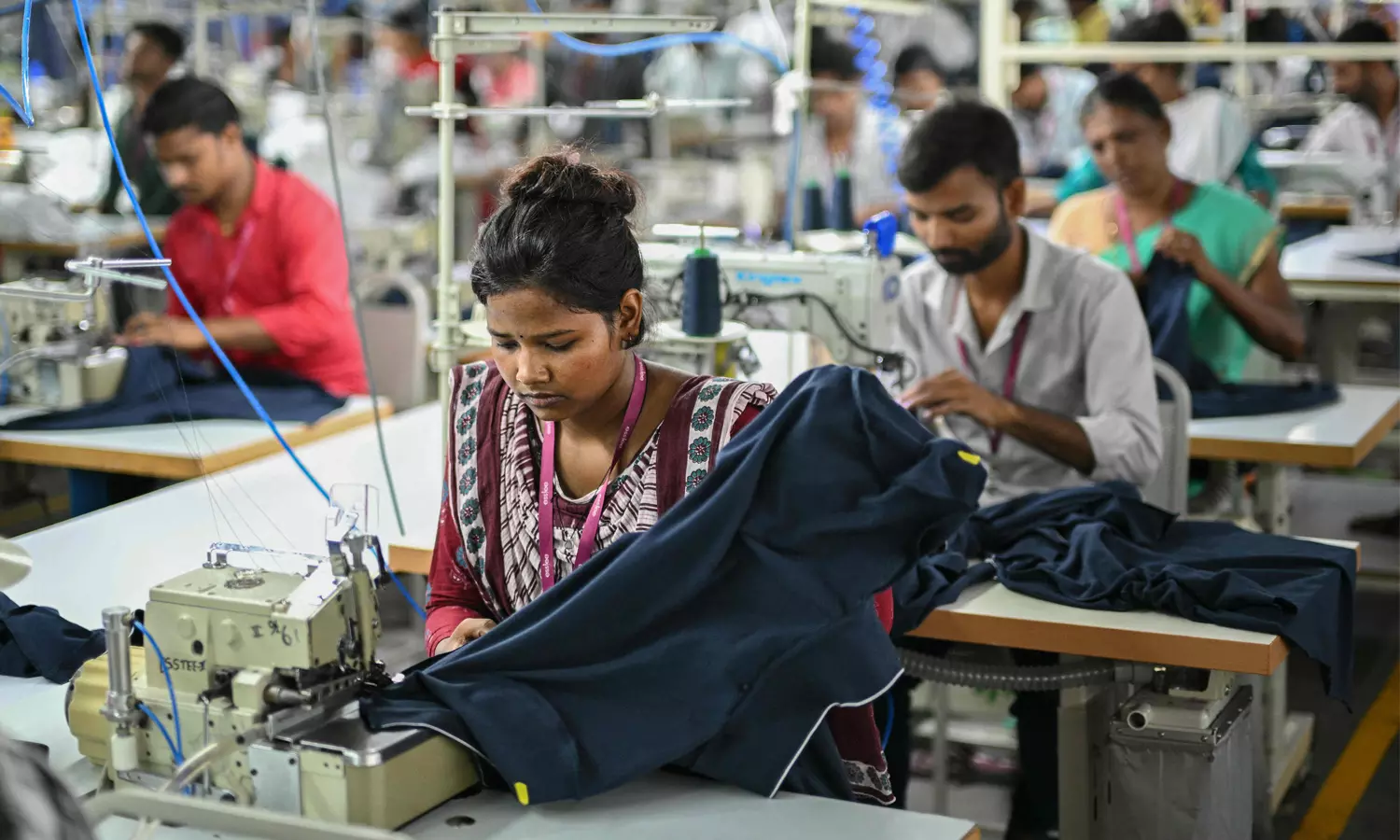
After the historic trade agreement between India and the European Union (India- EU FTA) was signed, there has been a massive change in events, which may favour India and its ongoing economic progress in the long-run. The “Mother of all Deals” promises massive opportunities for Indian exports while putting other competitors like Bangladesh and Vietnam under serious competition.
As we know, Bangladesh, since the past decade had made itself the textile hub of not only South Asia, but made sure that its textiles dominate the world. Global clothing brands like Zara heavily source textiles and apparel from Bangladesh. But recent trends might change the discourse.
After the Former Prime Minister of Bangladesh, Sheikh Hasina, was overthrown during the July Revolution, the interim government, which was formed later, allegedly unleashed extremist elements in the nation. After the changes in power, there has been widespread instability seen across the nation, and also a decline in India-Bangladesh relations. Several reports at the start of 2026 have indicated a possible decrease in textile exports. Bangladesh textile industry might see a possible shutdown from February 1, 2026, with domestic millers warning that spinning units across the country will halt operations if the government does not withdraw the duty-free import facility for yarn by the end of January. The crisis intensified after the Ministry of Commerce wrote to the National Board of Revenue recommending the withdrawal of the facility. This, in turn, can imply the rise of the Indian textile industries and manufacturing sector.
After the visit of Ursula Von Der Leyen (President of European Commission) and Antonio Costa (President of European Council) as chief guests for the 77th Republic Day celebrations, and the FTA being signed, the tide seems to be changing. For years, Europe’s market has been dominated by Bangladesh’s textiles, with India barely scratching the surface due to tariffs that made its products less competitive. That changes now, with duty-free access under this FTA, India is expected to increase its exports and emerge as a global competitor.
The EU’s textile market is dominated by China with a 28- 30 percent share, followed by Bangladesh with a 21-22 percent share. India, in comparison, only holds about 5-6 percent of the share; taxes on Indian exports have really decreased our competitiveness.
This new trade deal will change power balances as Indian textile exports will enjoy zero tariffs, placing India along with Bangladesh and Vietnam in the duty-free list. India already exports around $36.7 billion worth of textiles internationally, out of which $7 billion reaches the EU. This trade deal can double the exports in the upcoming years. Analysts predict India-EU exports can reach $15 billion in the next five years. This, in turn, can directly or indirectly employ over 7 million people, clearly generating mass employment opportunities.
This FTA and the ongoing geopolitical events have truly been in favour of India, making India a big player on the global stage and perhaps the future textile powerhouse.
This article is written by Satvik AVP, a student of Loyola Academy, Secunderabad, interning with Deccan Chronicle.