High Global Interest Rates May Constrain Govt Spending On Welfare, Infrastructure

“Whenever the US increases interest rates, the whole world gets affected, and India is no exception,” Shah said. A divergence between US and Indian interest rates could put pressure on currency markets, while higher US Treasury yields make American assets more attractive to foreign investors
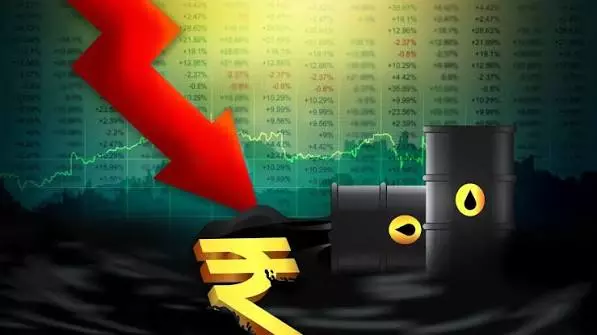
Chennai: In an elevated global interest rate regime, India’s borrowing costs too are going up. While high interest costs can affect welfare spending, high interest rates can shrink growth. This could in turn affect household consumption and lead to a slowdown in several sectors. Balancing growth and managing inflation, especially supply-side inflation, will remain a challenge for RBI and policymakers, finds Nitya Shah, small case manager and co-founder of Kamayakya Wealth Management.
The global tightening of monetary policy is making money more expensive, with implications for India’s currency, financial markets, businesses and government finances. Shah expects borrowing costs to remain elevated as inflationary pressures persist amid high energy prices and geopolitical uncertainty.
“Whenever the US increases interest rates, the whole world gets affected, and India is no exception,” Shah said. A divergence between US and Indian interest rates could put pressure on currency markets, while higher US Treasury yields make American assets more attractive to foreign investors.
Foreign institutional investors have already reduced their exposure to Indian equities, Shah said, pointing to selling of around ₹3 lakh crore last year and outflows exceeding ₹50,000 crore in October. With US Treasury yields offering returns of more than 5%, investors may prefer relatively safer assets over Indian equities, particularly when corporate earnings growth remains subdued.
India could see foreign inflows recover when companies demonstrate stronger earnings growth, she said. Until then, valuation multiples may face pressure, especially in segments where earnings momentum is weak.
The rupee is another source of concern. With crude oil prices hovering around $105–110 a barrel, India’s import bill remains vulnerable to further increases. Shah expects the rupee, then close to 95 to the dollar, to depreciate gradually towards 100 if current pressures persist.
A weaker currency could benefit exporters but hurt companies dependent on imported raw materials. Chemicals and fertilisers could face margin pressure, while textile manufacturers may be affected by slowing demand in the US. Companies with limited pricing power could struggle to pass on higher input costs.
Higher borrowing costs could also constrain government spending. With Indian bond yields around 7.4%, the government will have to balance infrastructure investment, welfare commitments and fiscal discipline. Shah believes welfare spending may need to be reduced to offset rising interest payments while sustaining economic growth.
The effects on household consumption may emerge with a lag of four to six months. Automobiles and real estate could face a slowdown after strong growth in recent years, with weaker housing sales affecting related industries.
India’s nominal GDP growth could remain around 11–12%, Shah said, but a further surge in crude prices to $120–130 a barrel could undermine that outlook.
The policy challenge, she said, is to contain inflation without tightening fiscal spending so aggressively that growth suffers. With global uncertainty and high energy costs persisting, the RBI and government will need to strike a careful balance.
