Health, Life Insurance Exempt From GST but Insurance Premiums May Not Fall by Full 18%

Insurers lose input tax credit; higher costs may offset the benefit to customers.
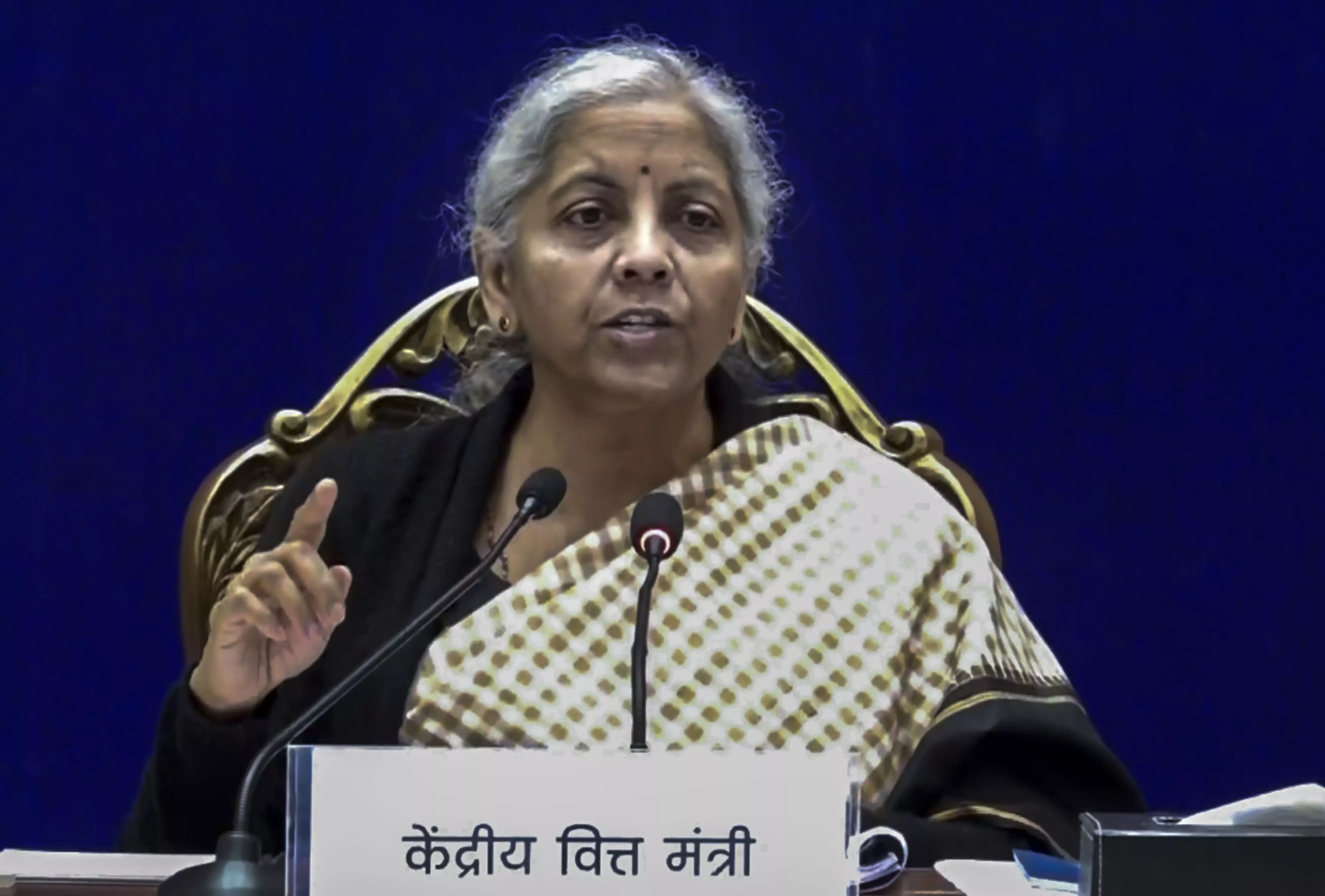
Mumbai: Despite the GST Council exempting individual life and health insurance premium from Goods and Services Tax (GST), your premiums may not reduce to the extent of reduction in GST as insurance companies that have been deprived of the Input Tax Credit benefit may feed their higher operational cost into premiums.
Effective September 22, the GST Council has exempted term life, unit-linked insurance plans (ULIPs), endowment policies, family floater health covers, and senior citizen plans from GST. Reinsurance linked to these policies has also been exempted. Until now, premiums have attracted varying GST rates. Health insurance, ULIPs, and term life were taxed at 18 per cent, while endowment policies carried 4.5 per cent GST on the first premium and 2.25 per cent on renewal premiums. Single premium annuity policies were taxed at 1.8 per cent.
Jignesh Ghelani, Partner at Dhruva Advisors, said, “While lower premiums are expected to stimulate demand and expand the policyholder base, the classification of these services as 'exempt” means that insurers will lose access to input tax credits on expenses linked to such policies. Insurers will be required to reverse input tax credits relating to these exempt outputs. This embedded tax could eventually feed into the costing structure, thereby impacting on the profits of the Company. Insurers will therefore be required to deep dive into its cost structure and analyse the overall impact on the business."
To illustrate with an example-Say a life insurance premium of Rs. 100 attracts 18 per cent GST. The total outflow for the customer is therefore Rs 118. Insurers can avail input tax credit (ITC) on GST paid on various input expenses such as commission, rent, IT systems and claims processing, marketing expenses, etc. Assuming expenses of Rs 60, ITC available to the Company will be Rs 10.80 (18% of Rs 60).
The Net GST outflow after ITC is Rs 7.2 (Rs 18 – Rs. 10.80)
This ITC is an offset against GST collected from policyholders, thereby reducing the net outflow of GST for the Company.
Now in the present case, GST is proposed to be exempt. Given this, while the insurance company will not charge GST from its customers, the ITC will also no longer be available to it. Accordingly, Rs 10.80 in the above scenario becomes the cost. To cover this cost, the insurance company may either absorb it entirely and reduce its overall margin or pass on the cost. In the case where entire increase is passed on to the customer, the revised premium will be Rs 111 (rounded off). In such a case, the net savings from customer's standpoint is not Rs 18, but Rs 7 (Rs. 118 – Rs. 111).
Therefore, while giving an exemption improves the affordability but certainly dilutes the benefit to the customer. “While above is a plain vanilla example, it needs to be evaluated qua the entire business of the insurance companies which will have taxable as well as exempt supplies. In such a case, there exist a possibility to partially offset the common ITC, thereby reducing the overall cost to the Company on account of exemption,” added Ghelani.
According to some experts, operational costs for insurers may rise by 5-7 per cent.
Brokerage firm CLSA estimates that if insurers fully pass on the benefit, premiums could fall by up to 15 per cent, making protection more accessible to households.
The finance ministry, in a set of FAQs issued after the 56th GST Council meeting, said businesses whose outward supply has been exempted after the GST rate rationalisation will have to reverse their ITC which is accumulated in their ledger. The accumulated ITC can be utilised only to discharge outward liability for supplies of goods/services, or both, made till September 21, 2025, the ministry said.
"However, for supplies made on or after i.e 22nd September, 2025, when the rate change is effected, ITC will have to be reversed as per provisions of CGST Act, 2017," it said in the FAQ.
