Global Equities May See Correction, Warns RBI Gov Sanjay Malhotra

Malhotra cites low inflation, solid banks, and a credible fiscal path
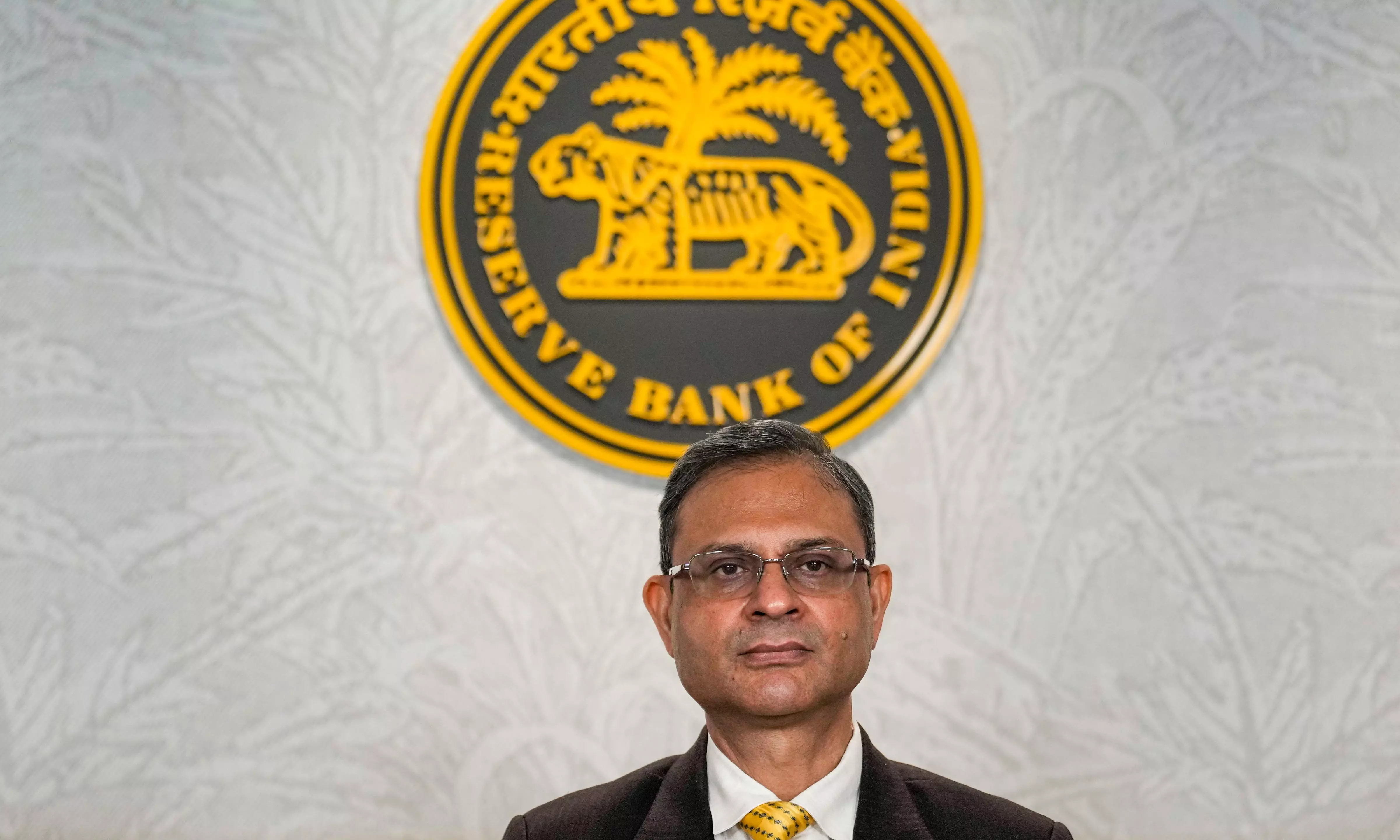
Mumbai: India has become an anchor of stability in a volatile world, said Reserve Bank of India (RBI) Governor Sanjay Malhotra on Friday.
Speaking at Kautilya Economic Conclave 2025 in New Delhi, the governor attributed the country’s strong fundamentals to low inflation, high foreign exchange reserves, a narrow current account deficit, and the very strong balance sheets of banks and corporates. “Despite all odds, the economy seems well settled into an equilibrium of resilient growth,” he said.
"India's macroeconomic fundamentals have remained very strong, built assiduously over the decades. We have strong forex reserves, low inflation since February, a narrow current account deficit, a very credible fiscal consolidation path, very strong balance sheets of our banks and corporates," the governor said. He credited the stability to “the combined efforts of the government’s policy makers, regulators, and regulated entities. All in all, despite recent odds, the economy seems well settled into an equilibrium of resilient growth. This is quite a feat…makes India stand out as an anchor of stability in a volatile world,” he added.
Looking ahead, Malhotra warned that the global economy would likely underperform its true potential for years. High tariffs, stretched public debt, and complacent equity markets presented risks that weren’t fully priced in, raising the spectre of fiscal dominance constraining monetary policy in several economies. He said perhaps gold price is acting as a new barometer reflecting global uncertainties as the crude oil used to be in the recent past. While mentioning that fiscally almost every country today is "quite stressed", Malhotra also said current trade policy environment could damage growth in some of the economies and cautioned that globally, stock markets might see a correction.
“While the Central banks in the advanced economies are concerned about the elevated levels of public debt in their economies, and worry about a disruptive resolution, full risk perhaps is not priced in. This raises a spectre of fiscal dominance, where monetary policy could become constrained by the need to ensure debt sustainability. Equity markets, too, seem to be a bit complacent, and I am talking about global stocks generally. They have been particularly buoyant led by technology leading to worries that a correction might be in the offing.”
In August, the US imposed a 25 per cent tariff on nearly all Indian exports, which was followed later that month by an additional 25 per cent duty in retaliation for New Delhi’s discounted purchases of Russian oil. The RBI, while leaving the key interest rate unchanged at 5.5 per cent with a neutral monetary policy stance on Wednesday, said the global economy has been more resilient than anticipated, but the outlook remains clouded. As of late September, India’s foreign exchange reserves stood at $700.2 billion, enough to cover more than 11 months of merchandise imports. Consumer price inflation came in at 2.07 per cent in August, slightly higher than in July but still comfortably within the RBI’s 2-6 per cent target band.
