Double bonanza for salaried class, RBI cuts rate after 5 years

The rate cut is expected to bring relief to borrowers, as banks are likely to lower lending rates on home, auto and education loans, and business credit.
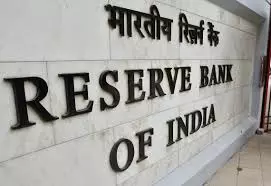
Mumbai: After the significant income-tax relief announced in the Union Budget, India’s salaried class received another boost as the Reserve Bank of India (RBI) cut a key interest rate for the first time in five years, in a move that is expected to lower EMIs.
The rate cut is expected to bring relief to borrowers, as banks are likely to lower lending rates on home, auto and education loans, and business credit. However, it may also mean that some deposit rates could go down.
The RBI’s rate-setting panel, the monetary policy committee (MPC), slashed the repo rate by 25 basis points to 6.25 per cent, the first cut since May 2020. The repo rate is the interest rate at which the central bank lends short-term money to banks.
While new borrowers will be offered loans at a lower rate, the exact date when the rate cut becomes effective for EMI payers will depend on their respective lenders. Until then, they will continue to repay their loans at current rates.
A lower repo rate means banks can borrow funds at a reduced cost from the central bank, and they are expected to pass this lower cost on to borrowers.
Speaking at the monetary policy press conference, newly-appointed RBI governor Sanjay Malhotra said that around 40 per cent of the banks' loans have their interest rates that are linked to the repo rate, and their borrowers will get immediate relief.
For loans linked to the marginal cost-based lending rate (MCLR), the interest rate change will take effect after six months.
Illustratively, on a home loan of Rs 50 lakh with a tenure of 25 years at nine per cent interest rate, the EMI would be about Rs 41,960. Friday’s rate cut will reduce the interest rate to 8.75 per cent, resulting in a revised EMI of Rs 41,213, a saving of Rs 747 per month and Rs 8,964 annually. If you opt to reduce the tenure instead, the repayment period be would shorten by 11 months.
Anil Rego, founder of Right Horizons, says, “Banks will offer you two options — either lower EMI or shorten the tenure. Opting for a shorter tenure while keeping the EMI unchanged will reduce the total interest paid and clear your loan faster. Given that the rate cut is relatively small, borrowers may prefer to reduce the tenure. However, with further rate cuts, borrowers could consider choosing the lower EMI option and investing the difference in Systematic Investment Plans (SIPs).”
For senior citizens who prefer investing in fixed deposits, it is advisable to lock in their funds at the current higher rates before banks begin lowering them. However, debt mutual funds and corporate bonds could offer better returns.
