Assembly Elections 2026: What Could Higher Voter Turnout Signify This Elections

With counting scheduled for May 4, the spotlight has shifted to what record voter turnout across states could mean for electoral outcomes, especially as exit polls offer mixed projections
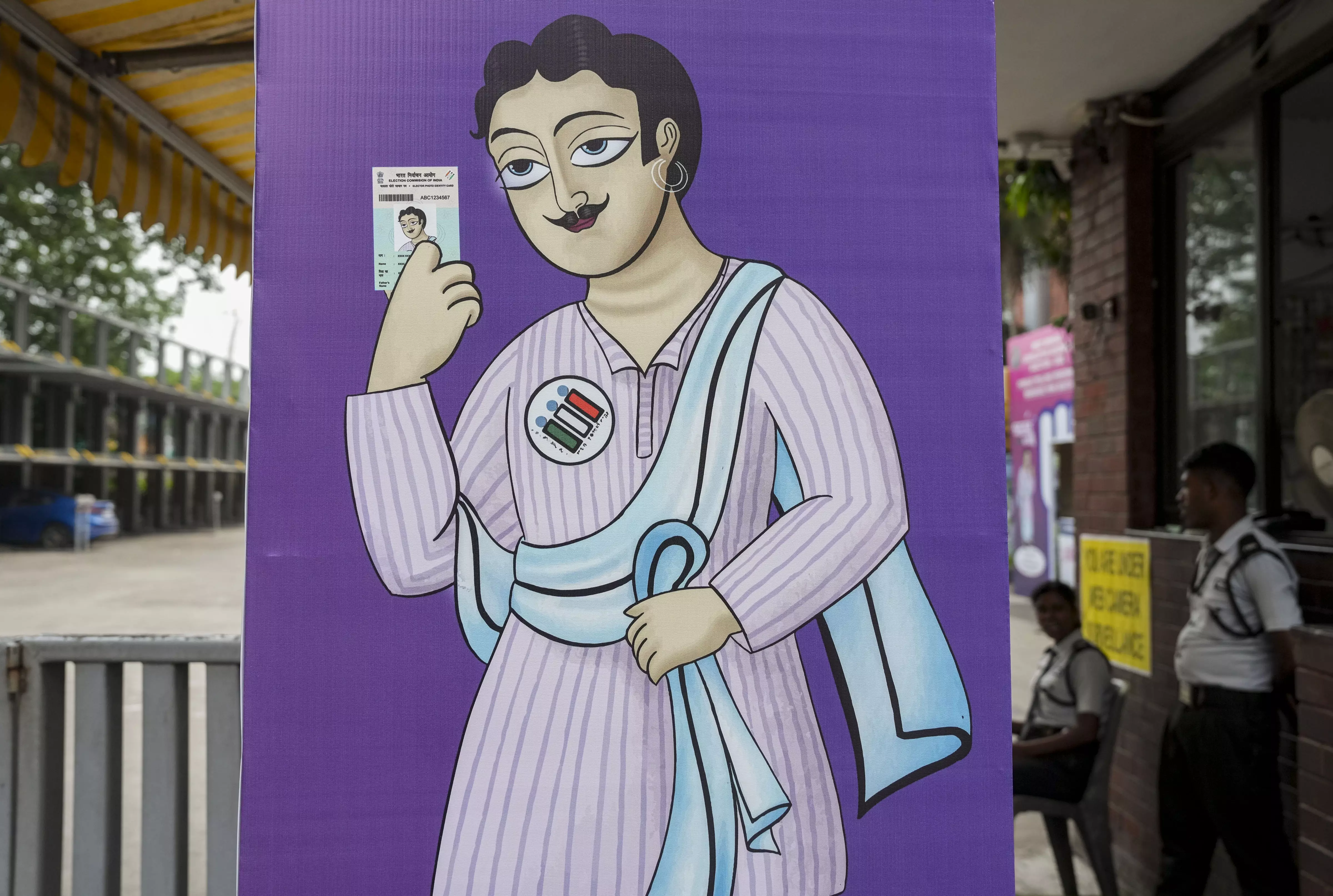
As of April 30, 2026, the Assembly elections across West Bengal, Tamil Nadu, Kerala, Assam and Puducherry have concluded polling amid intense campaigning, evolving alliances and strong voter mobilisation. With counting scheduled for May 4, the spotlight has shifted to what record voter turnout across states could mean for electoral outcomes, especially as exit polls offer mixed projections.
High-Voltage Campaigning and Shifting Political Ground
The elections saw aggressive campaigning across regions, with parties deploying large rallies, targeted outreach and leadership-driven messaging. In West Bengal, the contest between the Trinamool Congress and the Bharatiya Janata Party remained sharply polarised, with both sides claiming momentum amid high participation.
Tamil Nadu witnessed a three-cornered contest that expanded beyond traditional Dravidian politics. Actor-turned-politician Vijay’s party emerged as a significant new force, with exit polls suggesting it could command a sizeable vote share and alter the state’s political balance.
In Assam, projections indicate continuity for the ruling alliance, while Kerala is expected to see a tight contest between the UDF and LDF. Puducherry, meanwhile, reflects a fragmented opposition space that may benefit the incumbent alliance.
Alliances, Identity and Sub-Nationalism
Sub-national identity has been a defining feature of this election cycle. In West Bengal, regional pride and resistance to perceived external influence shaped campaign narratives and voter mobilisation.
Tamil Nadu also reflected elements of sub-national politics rooted in its long history of linguistic and cultural assertion. The legacy of anti-Hindi mobilisation and resistance to linguistic imposition continues to influence political discourse in the state. This has intersected with contemporary campaign themes, reinforcing identity-driven voter engagement alongside welfare and governance debates.
Political Controversies and Electoral Tensions
The elections were not without controversy. Reports of polling disruptions, allegations of inducements and broader concerns around electoral integrity surfaced in different regions.
At the same time, opposition parties in Tamil Nadu publicly rejected exit polls, reflecting wider skepticism about their accuracy and credibility. This has added to the uncertainty surrounding final outcomes.
Record Voter Turnout Across States
One of the most significant developments has been the scale of voter participation.
- West Bengal recorded turnout levels above 92 percent across phases, among the highest in its history.
- Tamil Nadu saw its highest-ever turnout at over 85 percent.
- Assam crossed 85 percent participation.
- Kerala recorded turnout above 78 percent.
- Puducherry registered nearly 90 percent turnout, its highest ever.
A notable trend across states has been the strong participation of women voters. In Tamil Nadu alone, women outnumbered men by over 17 lakh voters, continuing a pattern of higher female turnout. In West Bengal too, women recorded higher turnout percentages than men in multiple phases.
Tamil Nadu: Star Power, Identity and Turnout
Tamil Nadu’s electoral landscape has been particularly shaped by the convergence of high turnout, identity politics and celebrity influence.
The entry of Vijay has added a new dimension, with his popularity among youth and first-time voters contributing to increased political engagement. Exit polls suggest his party could emerge as a significant player, potentially reshaping traditional vote shares.
At the same time, the state’s political discourse continues to be influenced by linguistic identity and resistance to Hindi imposition, reinforcing sub-national sentiment alongside electoral mobilisation.
What Higher Voter Turnout Could Signify
The record turnout across states has led to competing interpretations from political parties and analysts.
In West Bengal, both the ruling and opposition camps have claimed that the surge reflects support for their respective positions, highlighting how turnout data can be politically contested.
More broadly, analysts point out that high turnout often reflects heightened political engagement in closely contested elections, where both incumbents and challengers successfully mobilise voters.
The increased participation of women and youth, particularly in states like Tamil Nadu, is also being viewed as a key factor that could reshape electoral outcomes, though its precise impact remains uncertain.
At the same time, commentary suggests that while high turnout is generally seen as a positive democratic signal, the underlying reasons vary, ranging from strong campaign mobilisation to local political dynamics and voter concerns.
Conclusion
The Assembly Elections 2026 have unfolded amid intense political competition, shifting alliances, identity-driven narratives and visible voter enthusiasm. The record turnout, especially among women and younger voters, stands out as the defining feature of this electoral cycle.
While higher voter participation is widely interpreted as a sign of strong democratic engagement, its political meaning remains contested and context-specific. As exit polls offer divergent projections across states, the final results on May 4 will determine whether this unprecedented mobilisation signals continuity, change or a more complex electoral shift.