Sankranti & Uttarayanam: When the Sun, Soil, and Soul Transition Together

8 Jan 2026 3:47 PM IST8 Jan 2026 3:47 PM IST
Explore the cultural significance of Sankranti and Uttarayanam, festivals that celebrate the transition of the sun, soil, and soul, marking the onset of the harvest season.
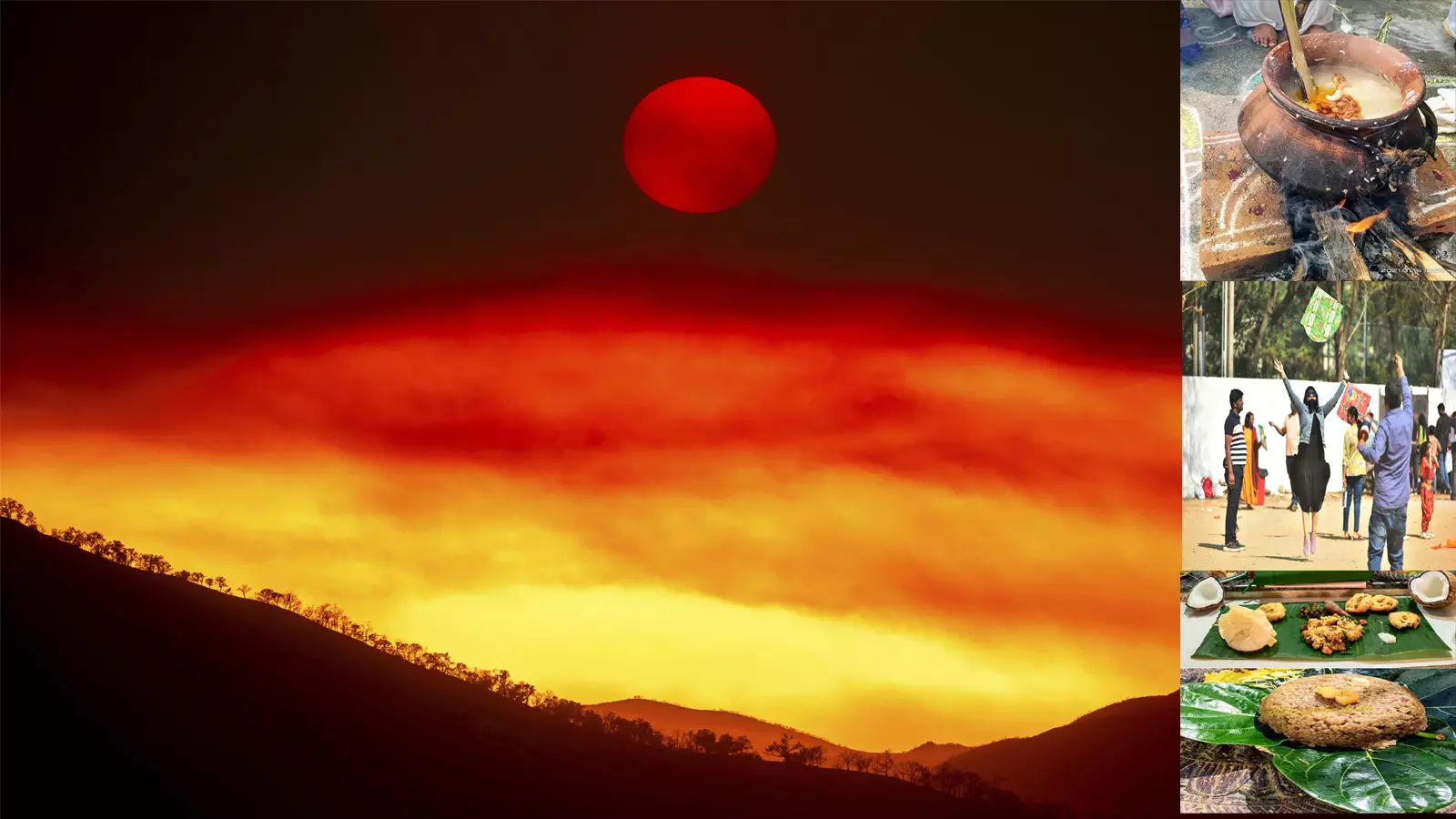
Sankranti 2026 | Images Source: DC Library
As the first major harvest festival of the year, Sankranti is celebrated with gratitude across India, under different names: Sankranti in the Telugu states of Andhra Pradesh, Pongal in Tamil Nadu, Uttarayan in Gujarat and Rajasthan, Lohri in Punjab and Haryana, Khichdi in Eastern Uttar Pradesh and Bihar, Magh Bihu in Assam, and Shishur Sankrant in Kashmir.
Despite regional variations, the core concept remains the same, honouring the Sun God, the soil, the farmers, and realigning human life with nature’s cycle.
As per Ayurveda, seasonal transitions also mark changes for the human body. During the Sankranti phase, the digestive fire (Agni) remains relatively weak due to winter. The body is prone to cold, cough, joint aches, and the immunity and metabolism are slightly on the lower side. The body requires warm, nourishing, and easily digestible foods.
Cooking is deeply rooted in the agricultural cycle and traditional wisdom, which is why Sankranti cuisine revolves around ingredients like jaggery (bellam), sesame seeds (nuvvulu), rice, lentils, ghee, and seasonal vegetables. These foods generate internal heat, strengthen the body, and restore balance as the Sun moves northward.
Sesame Seeds: A primary ingredient used in most of the Indian states during the Sankranti festival, sesame seeds are rich in healthy oils, calcium, and iron. They provide warmth, strengthen bones, protect joints, and boost energy during winter. Symbolically, they represent friendship and goodwill, often exchanged with the message of harmony.
Jaggery: An unrefined sugar derived from sugar cane molasses, it is rich in iron and minerals. Jaggery provides sustained energy and aids digestion. Its sweetness symbolises the wish for sweet speech, positive relationships, and harmony in the coming season.
Freshly Harvested Rice and Lentils: New rice and dals symbolise abundance, prosperity, and renewal of life. Dishes prepared from the new harvest are traditionally offered first to deities before being consumed.
Seasonal Vegetables and Sugarcane: Winter vegetables like yams, beans, orange pumpkin, pigeon peas and brinjal nourish the body, while sugarcane, another major harvest crop, represents continuity, sweetness, and prosperity.
Across India, Sankranti foods differ in form but echo the same philosophy.
In Tamil Nadu, the festival itself is called Pongal, and the signature Sankranti sweet dish, Sakkarai Pongal and is cooked outdoors in new clay pots until it overflows, symbolising abundance.
In Andhra Pradesh and Telangana, Sankranti is incomplete without the Bellam Pongali. It's light yet nourishing, provides instant energy and supports digestion at the start of Uttarayanam.
The next and important dish is the Garelu or Minapa Vadalu, which are made from black gram which is soaked and ground to a coarse paste and fried. They are protein-rich and strengthen muscles and bones. Nuvvula Undalu (Sesame Laddoos), another sweet specific to Sankranti, generate internal heat, improves calcium levels, and protects joints.
Ariselu are sweet, crispy, soft rice cakes prepared from rice flour and jaggery. These symbolise abundance and are made only during the harvest festival and special occasions. Sakkinalu are traditional, crispy, ring-shaped savoury snacks from Telangana made from rice flour, sesame seeds, fennel seeds and the dough is intricately layered in circles and deep-fried. It's a popular festive food, especially during Makar Sankranti.
Pulihora (Tamarind Rice), another very Telugu dish intrinsic to both the Telugu states, is a must-have on the table. Tamarind aids digestion, turmeric reduces inflammation, and peanuts add protein
Sankranti dishes are not designed for excess or indulgence. They function as a seasonal correction, aligning the human body with nature’s rhythm. Every ingredient serves a purpose for warming, strengthening, nourishing, and healing the body and prepares you for the year ahead.
Sun’shine for the Vitamin D: Sankranti also reminds us of the importance of spending time outdoors during this month.
Kite flying during this period is not just a pastime, but a thoughtful practice for spending time in the sun. Standing under the open sky, especially in the morning hours, allows the body to absorb sunlight, which helps in forming Vitamin D and improves overall health.
Exposure to warm sunlight helps strengthen the body and reduces the chances of infections, and is also good for the skin.
The use of Sesame oil on the body before bathing is also encouraged for healthy skin care, followed by the abhyangana snanam, which is a bath using herbal bath powder.
People gather early in the morning when the sun is gentle and the winds are strong, making it the perfect time to fly kites. This fun-filled outdoor activity encourages children and adults to step out of their homes, breathe fresh air, move their bodies, and enjoy nature.
Sankranti is a very important festival for farmers who show their reverence to the Sun God (Surya ), Mother Earth ( Bhudevi) and also their ancestors ( Pitru Devathas) from whom they received the wisdom. It is also a way of showing gratitude to the three elements, and this is also celebrated through prayers and cooking food using freshly harvested crops and offering it to the Gods, and the same offerings (prasdam) are shared with neighbours, relatives, and the whole feasting is transformed into an act of gratitude and social harmony.
“Annam Parabrahma Swaroopam,” which means food is equivalent to God and is sacred. Renowned scholar Garikapati Narasimha Rao, in one of his YouTube videos, explains that Sankranti food is not indulgence, but traditional medicine guided by nature. “Food during Uttarayanam is not for taste, but for the body. Jaggery, sesame, and lentils are nature’s medicines,” he says in one of his discourses.
Through such insights, he reminds us that Telugu food traditions are scientific, seasonal, and spiritual. In an age of fast food and disconnected living, Sankranti gently reminds us that true health lies in eating with the Sun, the season, and the soil…just as our ancestors did.
( Source : Deccan Chronicle )

Next Story